
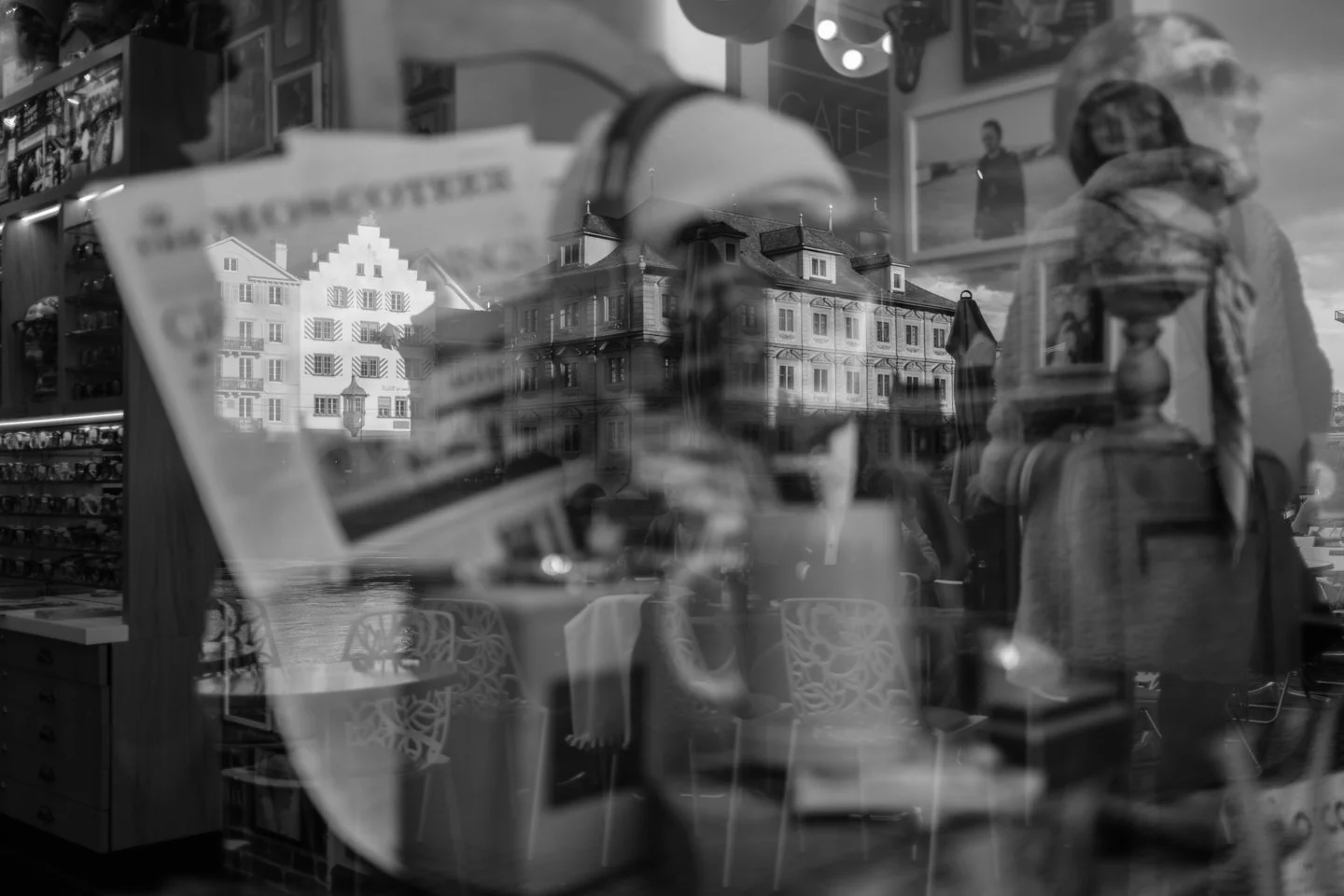
Wat is straatfotografie?
Straatfotografie is een genre van fotografie dat ongepolijste momenten van mensen en hun omgeving in de openbare ruimte vastlegt. Het is een vorm van documentaire fotografie die tot doel heeft de essentie van het dagelijks leven en de unieke cultuur en het karakter van een bepaalde plaats vast te leggen.
Straatfotografie wordt vaak beschouwd als een vorm van sociaal commentaar, omdat het een kijkje geeft in het leven van mensen met verschillende culturen en achtergronden. Straatfotografen streven ernaar om de sfeer van een bepaalde plek vast te leggen, en de emoties en interacties van de mensen daarbinnen. Ze zoeken naar unieke en interessante momenten, maar ook naar patronen en ritmes in de beweging van mensen en objecten in de stedelijke omgeving.
Belangrijke kenmerken van straatfotografie
Een van de belangrijkste kenmerken van straatfotografie is dat het in de openbare ruimte wordt gedaan, waardoor het anders is dan andere vormen van fotografie. Straatfotografen moeten zich bewust zijn van hun omgeving en de mensen die ze fotograferen, aangezien ze vaak gestolen momenten van mensen vastleggen zonder hun toestemming. Om dit effectief te kunnen doen, moeten straatfotografen zelfverzekerd en discreet zijn en snel en efficiënt kunnen werken in drukke openbare ruimtes.
Straatfotografie kan met elk type camera worden gedaan, van een eenvoudige point-and-shoot tot een high-end professionele camera. Veel straatfotografen geven echter de voorkeur aan een meetzoekercamera, die klein en onopvallend is en waarmee ze snel en discreet kunnen fotograferen. Sommige straatfotografen geven ook de voorkeur aan een camera met een vaste lens, die een breder gezichtsveld biedt en meer controle over de scherptediepte mogelijk maakt.
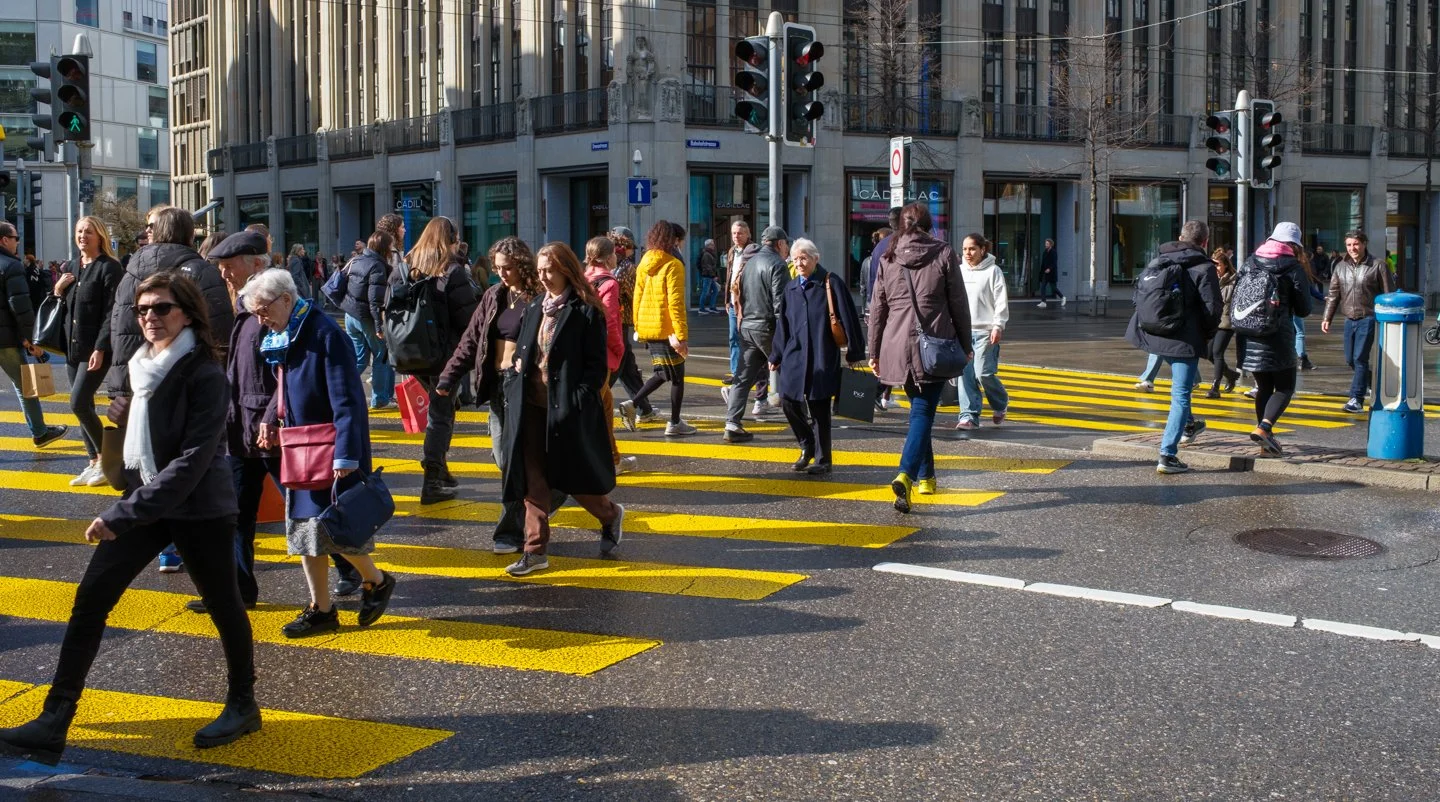
De grootste uitdagingen in straatfotografie
Een van de grootste uitdagingen van straatfotografie is het vinden van het juiste moment om vast te leggen. Straatfotografen moeten kunnen anticiperen op de actie en op het juiste moment klaar staan om de foto te maken. Ze moeten snel kunnen reageren op veranderende licht- en weersomstandigheden en bereid zijn om snel te bewegen om de beste hoek en perspectief te krijgen.
Een andere uitdaging van straatfotografie is het vinden van een manier om dicht genoeg bij de actie te komen om de details en emoties van de scène vast te leggen. Straatfotografen moeten hun weg kunnen vinden in drukke openbare ruimtes en discreet kunnen werken om te voorkomen dat ze de aandacht op zichzelf vestigen. Ze moeten ook kunnen communiceren met de mensen die ze fotograferen, om openhartige momenten vast te leggen en een band op te bouwen met hun onderwerpen.
Straatfotografie is vaak een zeer persoonlijke en subjectieve vorm van fotografie, en elke fotograaf heeft zijn eigen unieke benadering om de essentie van een bepaalde plek en zijn mensen vast te leggen. Sommige straatfotografen leggen er de voorkeur aan om momenten uit het dagelijks leven vast te leggen, terwijl anderen zich liever richten op de meer eigenzinnige en ongebruikelijke aspecten van de stedelijke omgeving.
“Which of my photographs is my favorite? The one I’m going to take tomorrow.”
“Don’t pack up your camera until you’ve left the location.”
“In street photography, there’s no hiding. You’re out in the middle of the action and have to rely on your own judgment, ability, and courage as a photographer to make a meaningful photograph.”
“Photography is about finding out what can happen in the frame. When you put four edges around some facts, you change those facts.”
“To me, photography is the art of observation. It’s about finding something interesting in an ordinary place. I’ve found it has little to do with the things you see and everything to do with the way you see them.”
“A good photograph is knowing where to stand.”
Geduld, doorzettingsvermogen
en oog voor detail
Ongeacht de aanpak, straatfotografie is een uitdagende vorm van fotografie die geduld, doorzettingsvermogen en een scherp oog voor detail vereist. Straatfotografen moeten de wereld op een unieke en interessante manier kunnen zien en de essentie van een plaats en zijn mensen in één beeld kunnen vastleggen.
Kortom, straatfotografie is een krachtig en fascinerend genre van fotografie dat een kijkje geeft in het leven en de emoties van mensen in de openbare ruimte. Het is een vorm van documentaire fotografie die tot doel heeft de essentie van het dagelijks leven en het unieke karakter van een bepaalde plek vast te leggen. Of je nu een doorgewinterde fotograaf bent of net begint, straatfotografie is een geweldige manier om de wereld te verkennen en unieke momenten vast te leggen die een verhaal vertellen.
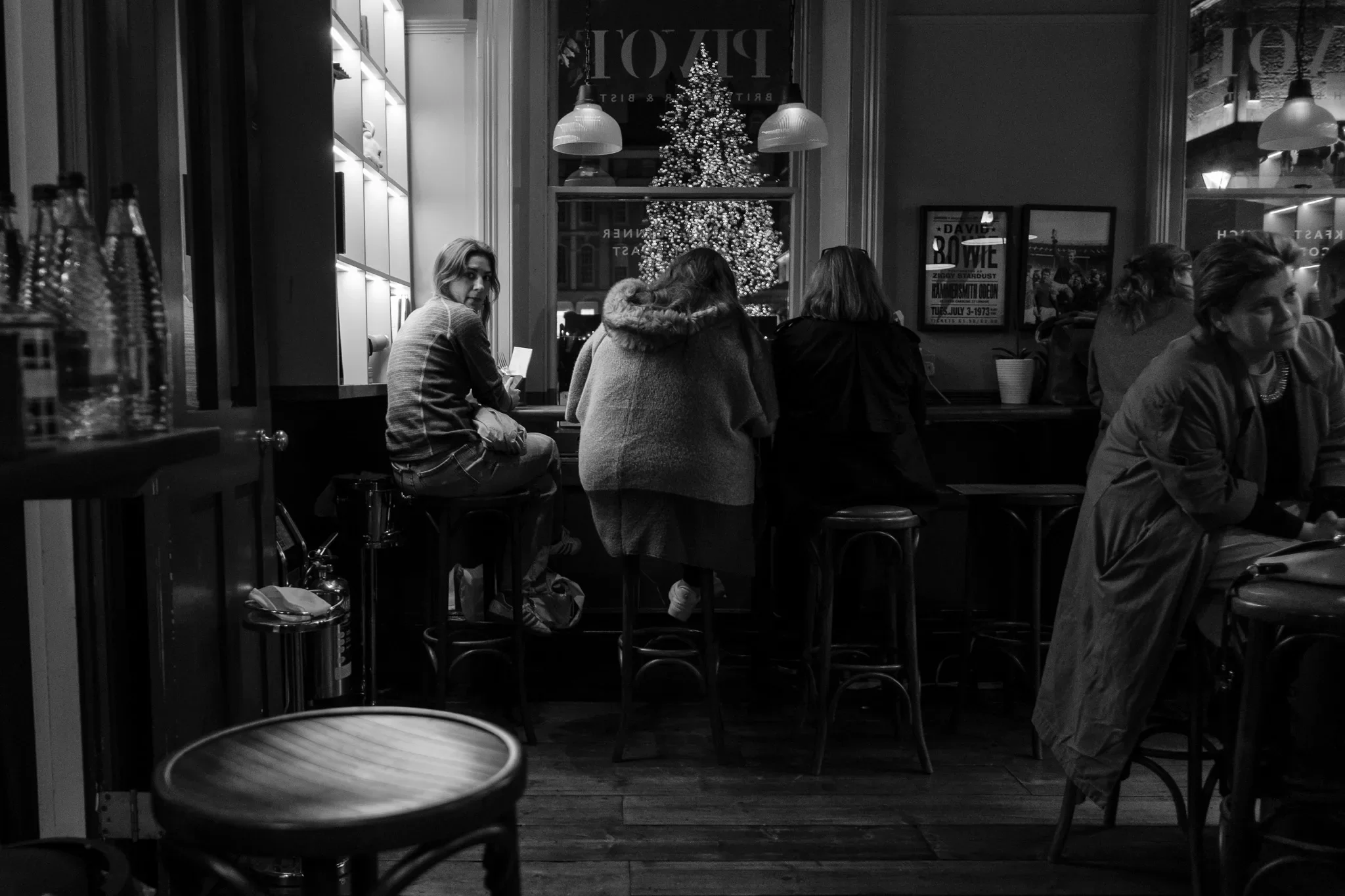
Photography is about finding out what can happen in the frame. When you put four edges around some facts, you change those facts.
- Garry Winogrand
Etiquette en ethiek in straatfotografie
Straatfotografie gaat over het vastleggen van het echte leven in publieke ruimtes, maar dat brengt ook verantwoordelijkheden met zich mee. Een belangrijk aspect van deze fotografie is het respectvol omgaan met de mensen die je fotografeert. Dit betekent dat je je bewust bent van de grenzen van privacy en persoonlijkheid, en dat je jezelf afvraagt wat je met een foto wilt vertellen en waarom je iemand vastlegt.
Veel straatfotografen kiezen ervoor om open en transparant te zijn wanneer ze met mensen in gesprek gaan, vooral als ze dichter bij iemand komen dan alleen een vluchtige opname. In sommige situaties kan het gepast zijn om eerst toestemming te vragen, in andere situaties werk je juist met spontane momenten waarin die toestemming niet vooraf is gevraagd, maar waar je wel respectvol mee omgaat in de context van publicatie en presentatie. Het is een balans tussen artistieke vrijheid en menselijkheid, een balans die elke fotograaf voor zichzelf moet bepalen en voortdurend heroverwegen.
Over wat mag en niet mag, schreef ik met mr. Charlotte Meindersma een ebook. In het ebook bespreken we een aantal van mijn foto’s en kijken of en waarom een foto wel of niet gefotografeerd of gepubliceerd had mogen worden.
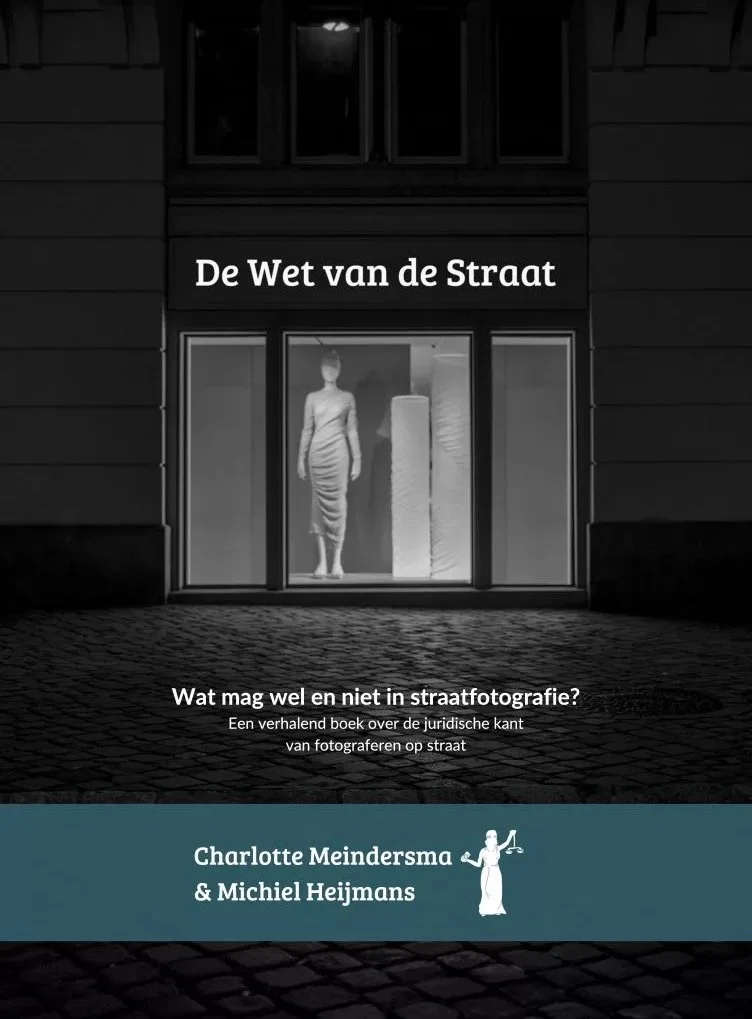
Hello, street photographer! Do you want to know everything there is to know about the rules of street photography? Have you always wondered if those beautiful photos of yours are actually legal? Ever hesitated about whether to post something on Instagram? In this ebook , Charlotte and I discuss all the legal aspects of street photography in a practical way, using photos as examples!
De Wet van de Straat (2025) is published by Charlotte’s Law & fine prints and Michiel Heijmans Photography. PDF, 48 pages.
© Charlotte’s Law & fine prints and Michiel Heijmans Photography
Authors: Charlotte Meindersma and Michiel Heijmans
You will receive this product immediately after payment. By agreeing to immediate delivery, you waive your right to a cooling-off period.
En nu jij: Straatfotografie ontwikkelen als praktijk en mindset
Om beter te worden in straatfotografie is het belangrijk om regelmatig te oefenen, niet alleen technisch maar ook mentaal. Ga regelmatig op pad zonder een specifiek doel, maar met de intentie om te observeren, te voelen en te begrijpen wat er om je heen gebeurt. Experimenteer met verschillende tijden van de dag, verander je perspectief, probeer te anticiperen op bewegingen en let op kleine details die een verhaal vertellen.
Daarnaast helpt het om jezelf voortdurend uit te dagen met opdrachten zoals alleen lijnen vastleggen, contrasten zoeken of emoties als leidraad te nemen in je werk. Bespreek je foto’s met andere fotografen of in een community, want feedback en verschillende invalshoeken helpen je om je visie scherper te krijgen. Straatfotografie is geen eindbestemming maar een levenslange reis in waarneming en expressie.
Conclusie: straatfotografie verrijkt niet alleen je fotografievaardigheden maar opent ook je blik op de wereld, doordat je leert kijken met aandacht, nieuwsgierigheid en respect.
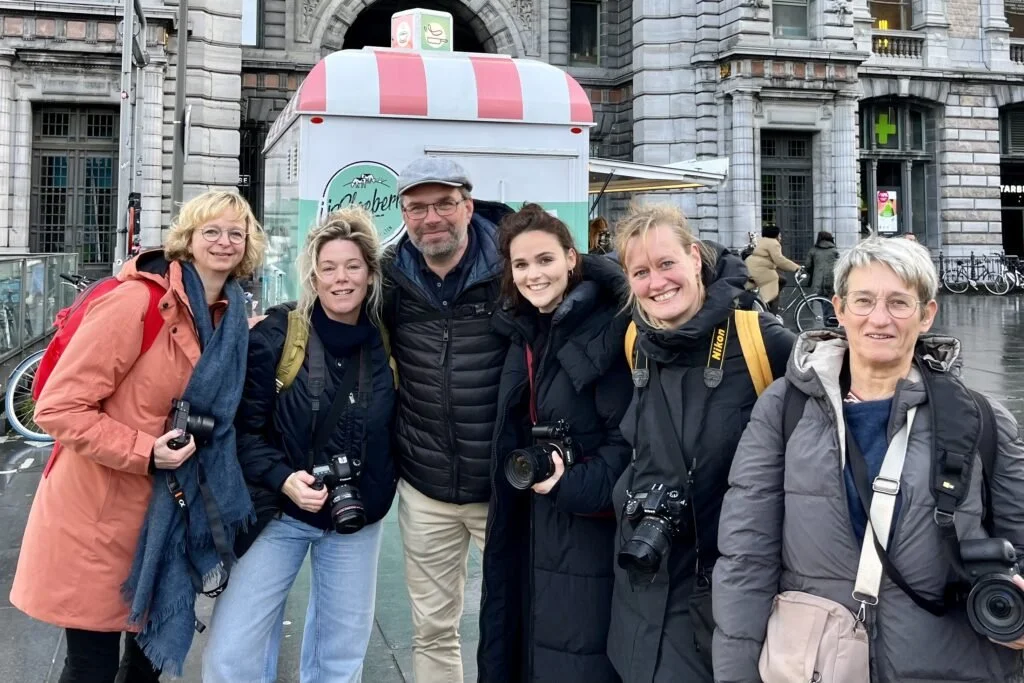
Learn to see things differently and capture your surroundings spontaneously, all based on a solid concept. Street Photography 2.0, focusing on what you want to create. It's a custom workshop, but with a group (max. 5 people).
Accessible and challenging for all levels. You get to choose the style or series you want to photograph, and I'll select some custom assignments just for you.