
Photography workshops
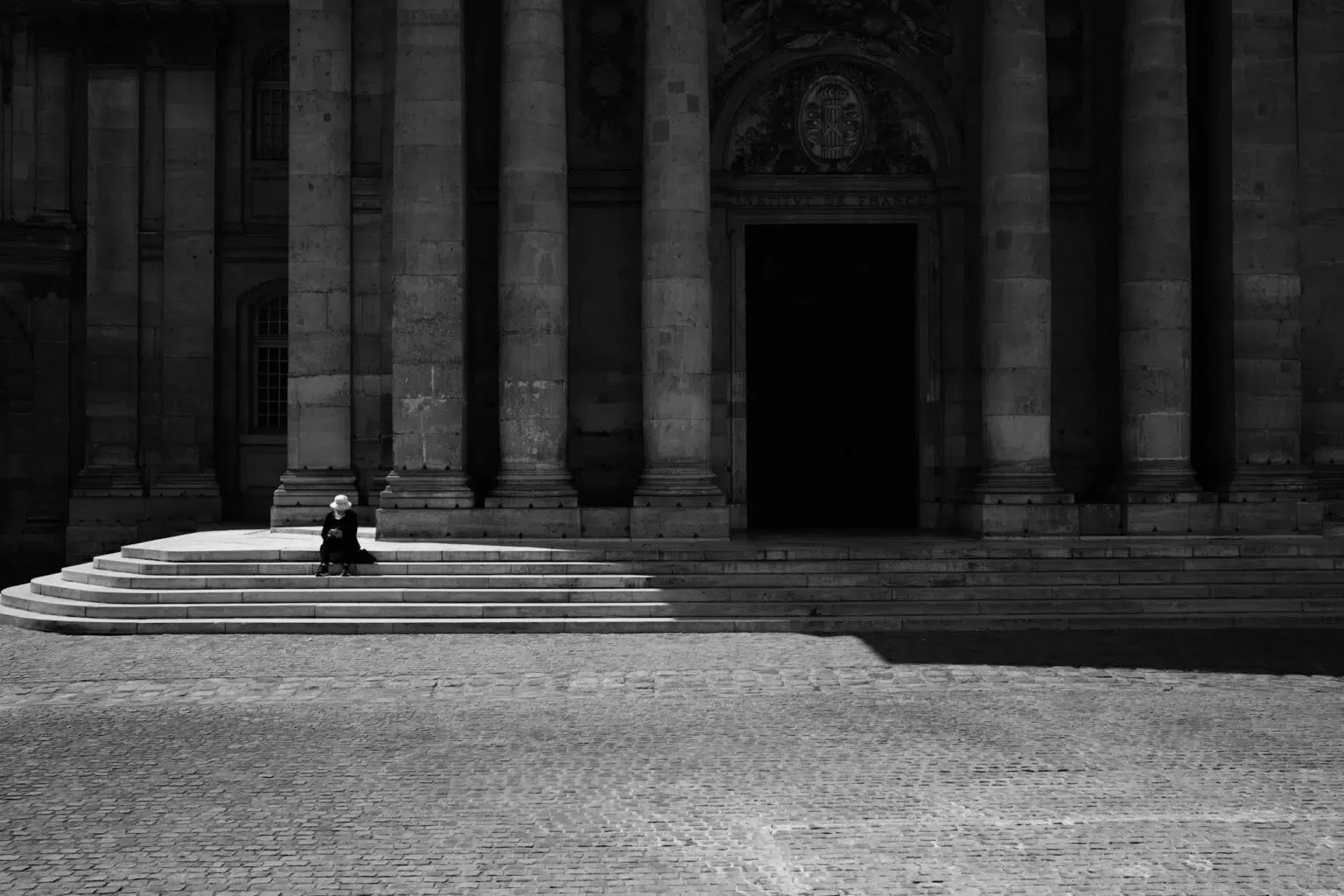
What I have learned most from is observing others. By walking for miles through unfamiliar and familiar cities, I found my own signature style. This is particularly true of my street photography, and increasingly so for my portraits.
I really enjoy going out on the streets with others, sparring for hours and creating beautiful images. Always based on a specific idea, with respect for the subject and a completely open mind. That mind usually goes beyond the camera, and sometimes right through it.
If you are looking for a way to broaden your horizons and photograph openly and with motivation, on the street or in the studio, then you are very welcome.
Street photography workshops
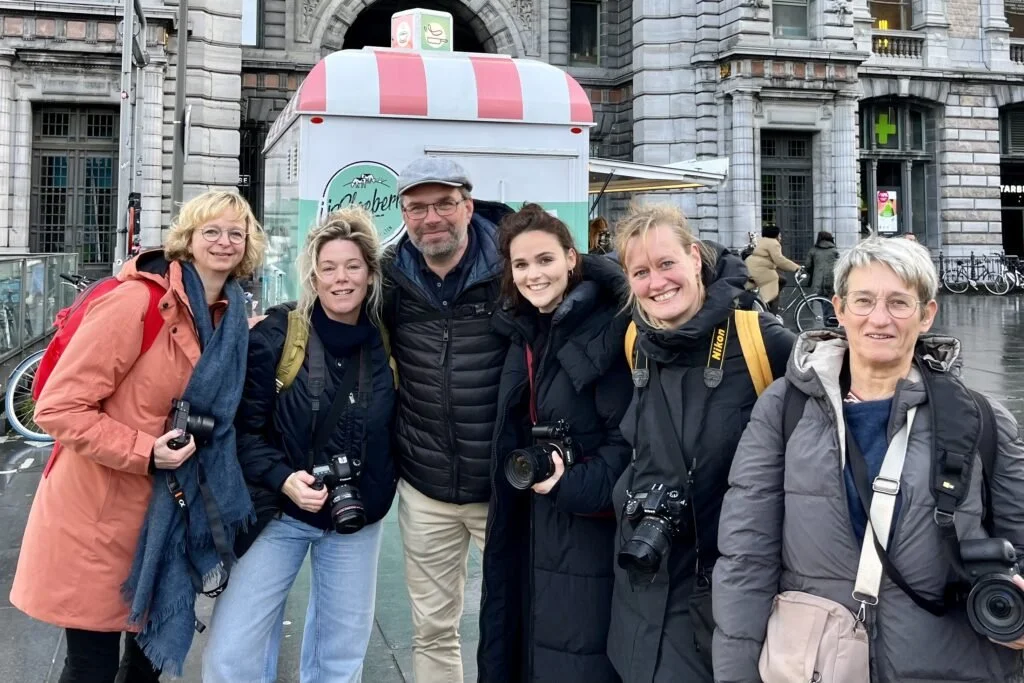
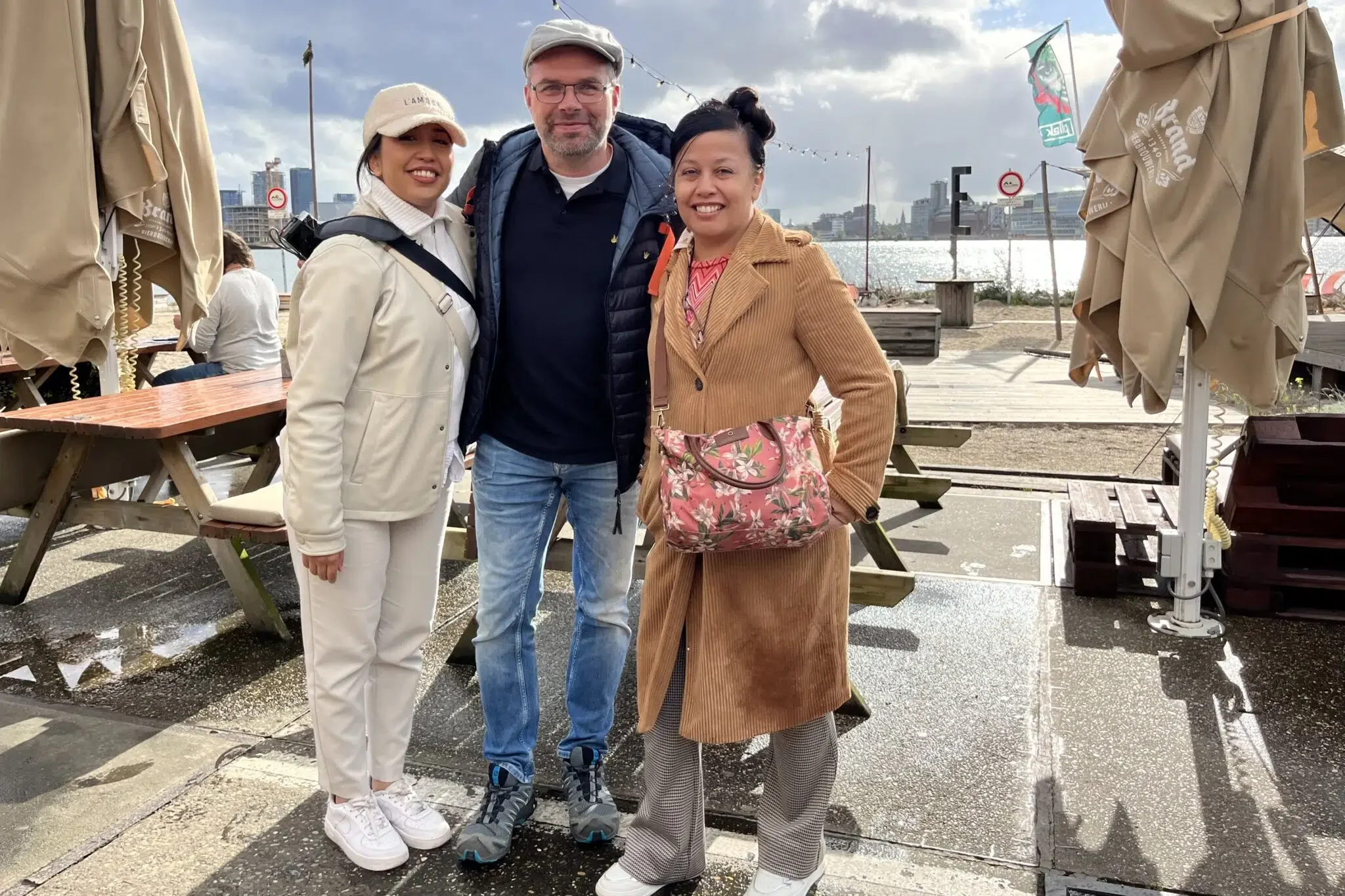
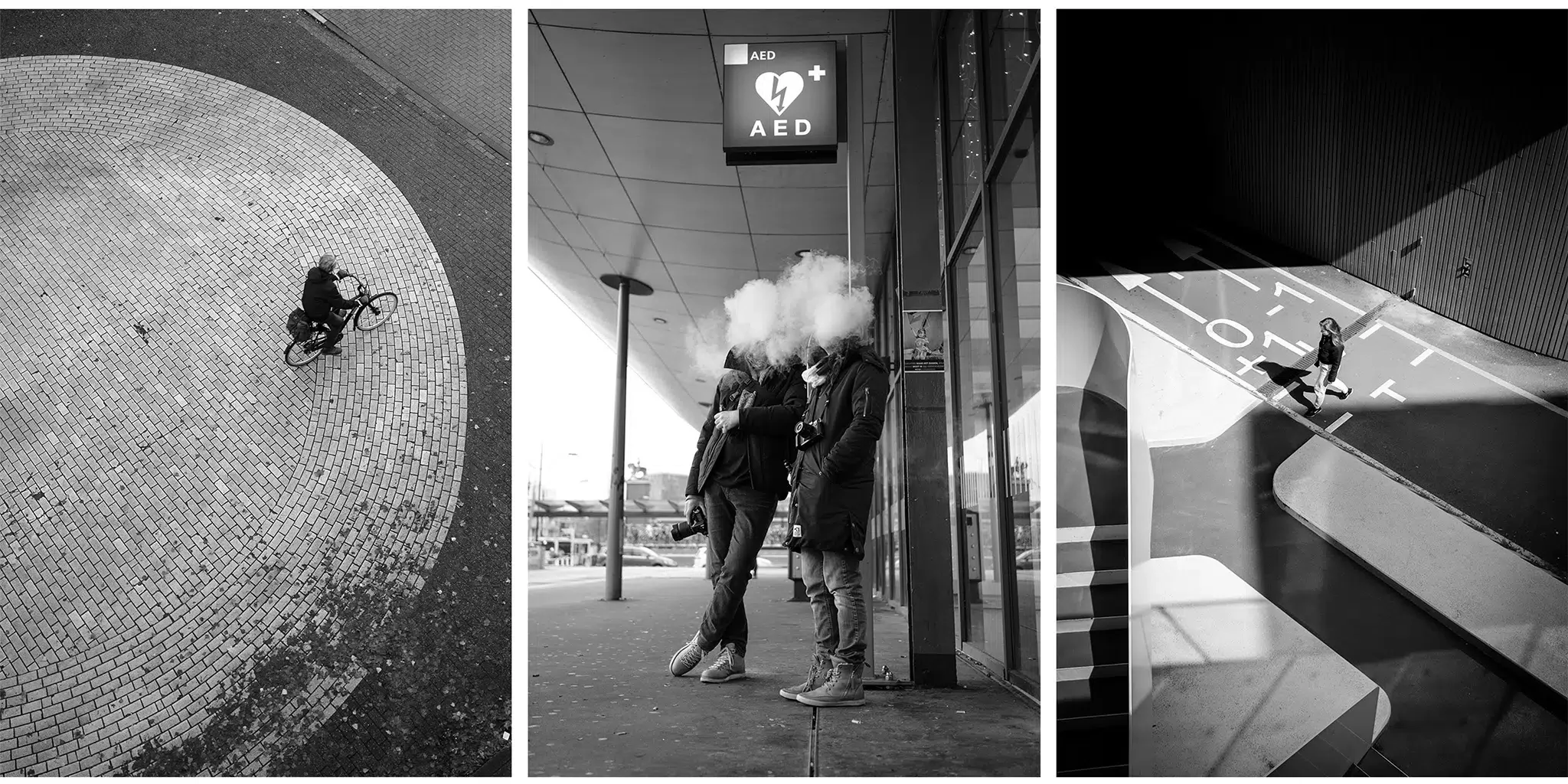
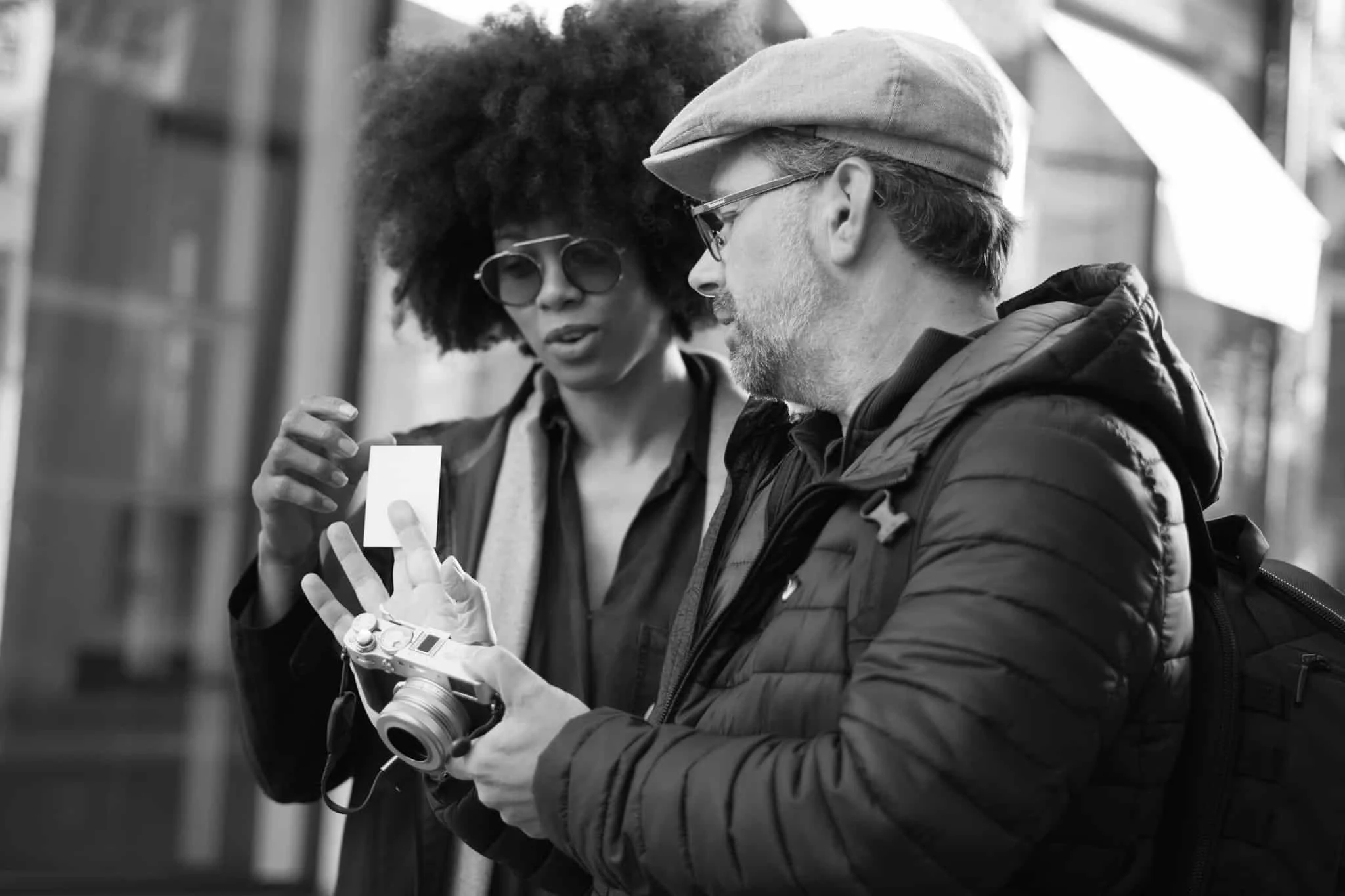
In the street photography workshops, we dive into the moment, the unexpected details, the city around us, and how to capture it with an open mind and confidence. You will learn how to read situations more quickly, how to get close without intruding, and how to create images that have energy and tell a story. The workshops are interactive, practical, and tailored to your level. I provide personal feedback we work in real streets and environments, so you grow in technique and confidence.
We work with small groups so that you have plenty of opportunity to ask questions and experiment with composition, lighting, and timing. You will discover useful strategies for taking sharp, unique images in challenging conditions, and you will soon notice that you are starting to see the world around you differently. The goal is that after the workshop , you will be able to workshop set out on your own, resulting in photos that really say something.
One-on-one workshop
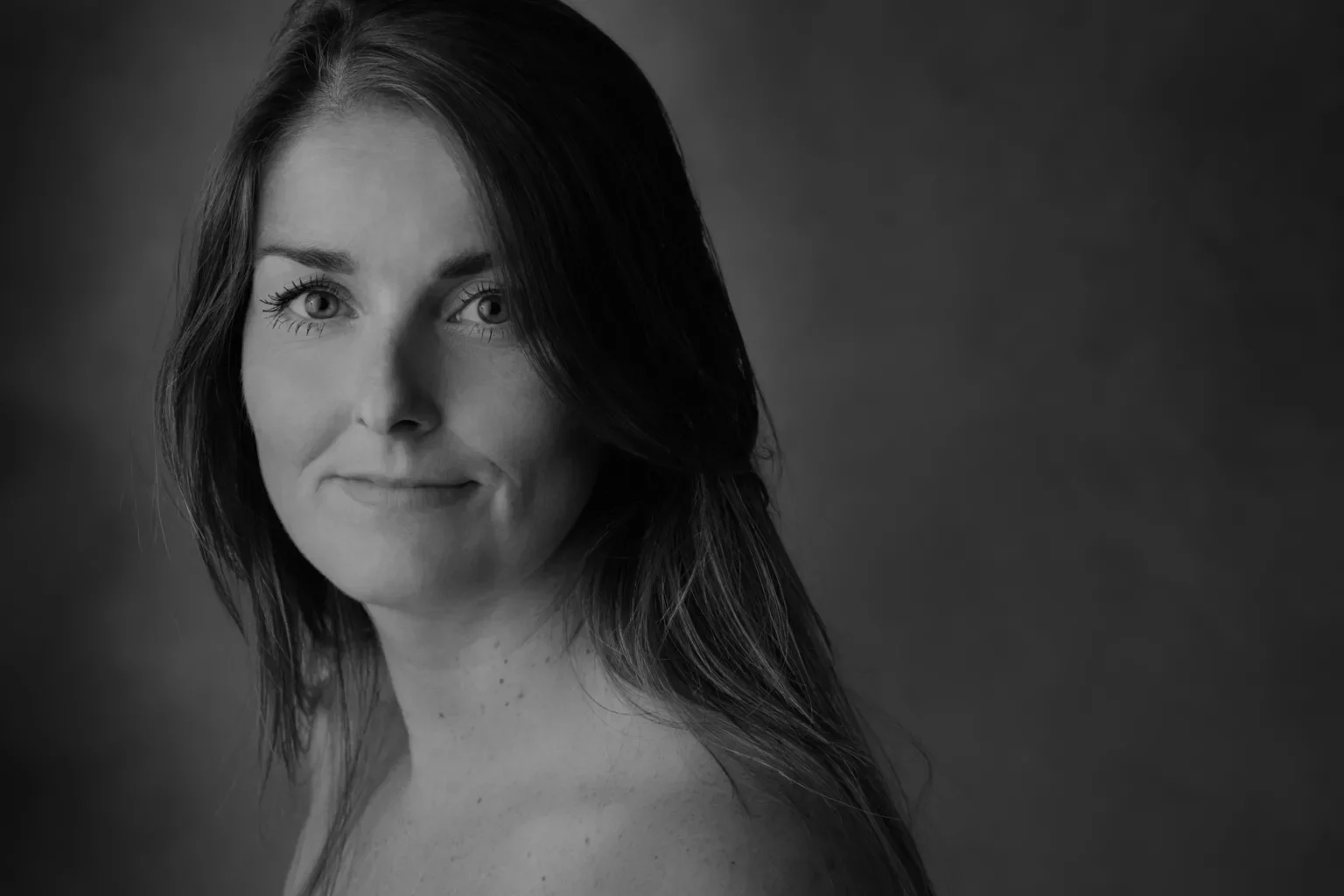
In my one-on-one portrait photography workshop my studio in Wijchen , I Wijchen you through what is truly important in portrait photography: connecting with the model, sensing emotion and atmosphere, and learning how to translate that into images that speak. We work together at your pace, with personal attention to your questions and goals. Whether you are just starting out with portrait photography or already have some experience, I will help you to look more closely at light, composition, and how you can really make someone shine in front of the camera.
During the workshop , we workshop a practical approach to photography, providing immediate feedback concrete tips that you can apply right away in your own work. You will gain insight into how to make more conscious technical choices, how to deal with different lighting situations, and how to turn an ordinary pose into a powerful photo. Above all, it is a workshop you will learn, have fun, and go home with beautiful images.
Photography for me is not looking, it’s feeling. If you can’t feel what you’re looking at, then you’re never going to get others to feel anything when they look at your pictures.
Don McCullin
Conceptual street photography
For me, conceptual street photography is the next step after classic street photography. Whereas traditional street photography revolves around capturing the decisive moment, conceptual street photography goes a layer deeper. You don't just photograph what's happening, you add an idea, a thought, a direction. You don't just look, you subtly steer. Not by directing scenes as if you were on a film set, but by going out onto the street with intention.
What exactly is conceptual street photography?
Conceptual street photography is street photography with a plan. You work from a theme, a question, or a visual idea. Think of a series about loneliness in a busy city. Or about color contrasts between tourists and locals. Or about repetition, shadows, mirrors, silhouettes, power, silence. You choose a framework in advance and actively search for it in public spaces. The street remains the backdrop. The people remain real. But your gaze becomes sharper, more focused, more conscious.
It requires something different from you than just walking around randomly with a camera. It requires concentration. Patience. The ability to say no to good photos that don't fit your concept. That's exciting. Because you see all kinds of things. But you choose. And it is precisely in that choosing that your work grows.
Who is conceptual street photography for?
For photographers who feel they want more than just individual powerful images. For people who want to create a cohesive series. For photographers who may have been shooting on the streets for some time, but feel they are looking for more depth. Who want to develop their own signature style. Or who want to work towards a book, exhibition, or portfolio.
It's also for photographers who take their craft seriously. Not necessarily professionally, but because you're passionate about the content. You want to grow. You want to understand why a photo works. You want to learn how to translate an idea visually. And you want feedback that goes beyond just 'nice photo'. You're looking for a sparring partner.
Why with me?
Because I've been down that road myself. I started by just observing. By capturing moments. By reacting to whatever came my way. But over the years, I noticed my work got stronger when I went out with a specific idea in mind. When I started creating series. When I dared to cut things out. When I started asking myself questions like: what am I really trying to say here?
In my workshops and coaching, I bring together my experience as a street photographer with my background as an entrepreneur and mentor. I don't just help you see better; I also help you make choices. I ask questions. Sometimes tough ones. What's your subject? Why does it resonate with you? What do you leave out? What are you afraid of?
We work in a concrete way. With assignments. With themes. With feedback. We analyze your images. We look at rhythm in a series. At repetition. At contrast. At tension between images. And above all: at coherence.
More honest street photography
I believe conceptual street photography really pushes you to be more honest. You can't hide behind chance as much. You take responsibility for your work. And that's exactly where you grow.
When we work together, you won't get a list of quick fixes. Instead, you'll get direction, attention, and a safe yet honest space to experiment. I'm direct, but my aim is always to help you move forward. I'm quick to spot your potential, and also where you might be holding yourself back.
Conceptual street photography isn't just some random idea, far from it! It's a way of working that helps you turn all those individual pictures into a story, a series, or a whole project. It's about going from being just a photographer to a real maker, from simply capturing things to actually creating them.
And when you feel you're ready, I'll gladly walk with you for a while.

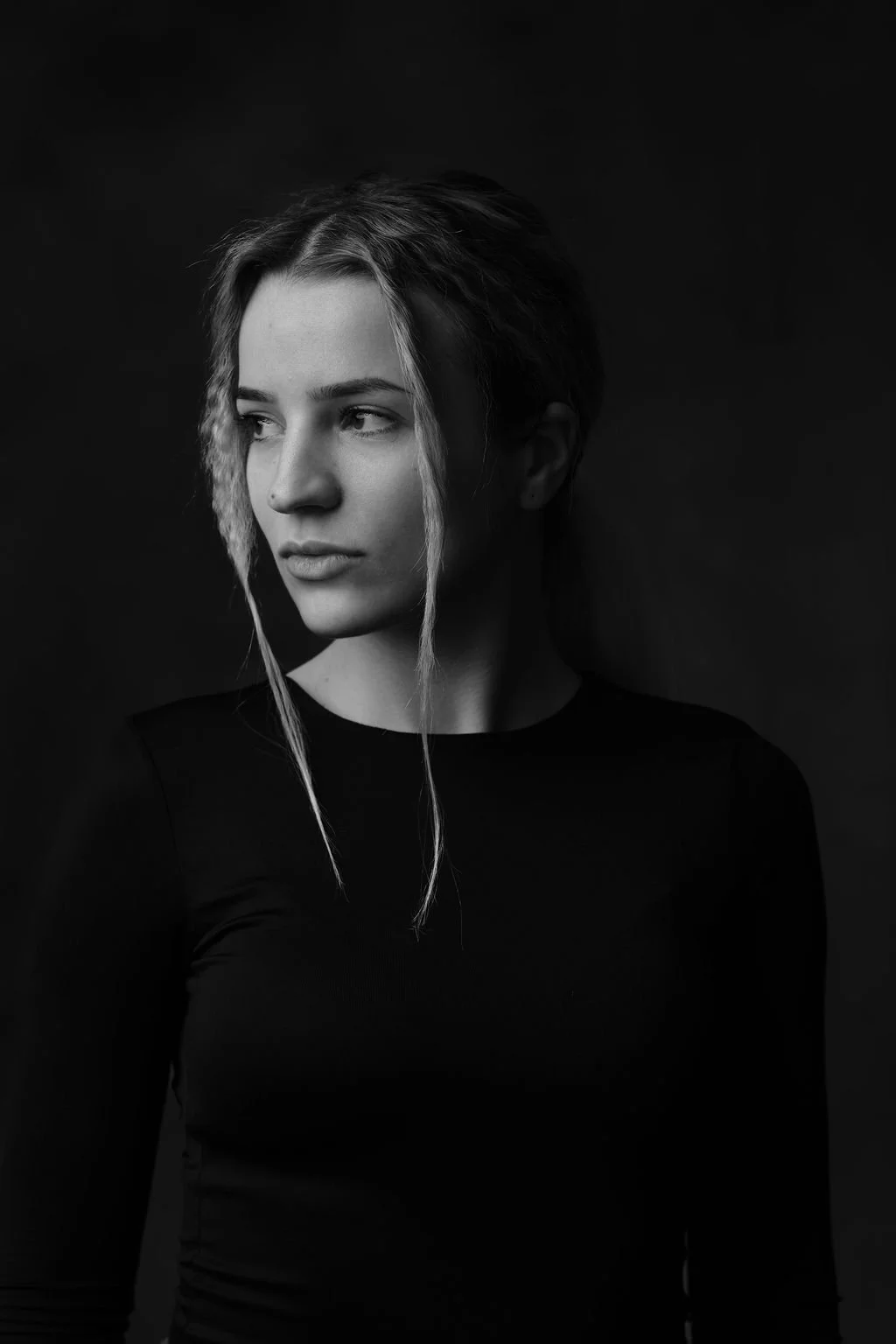
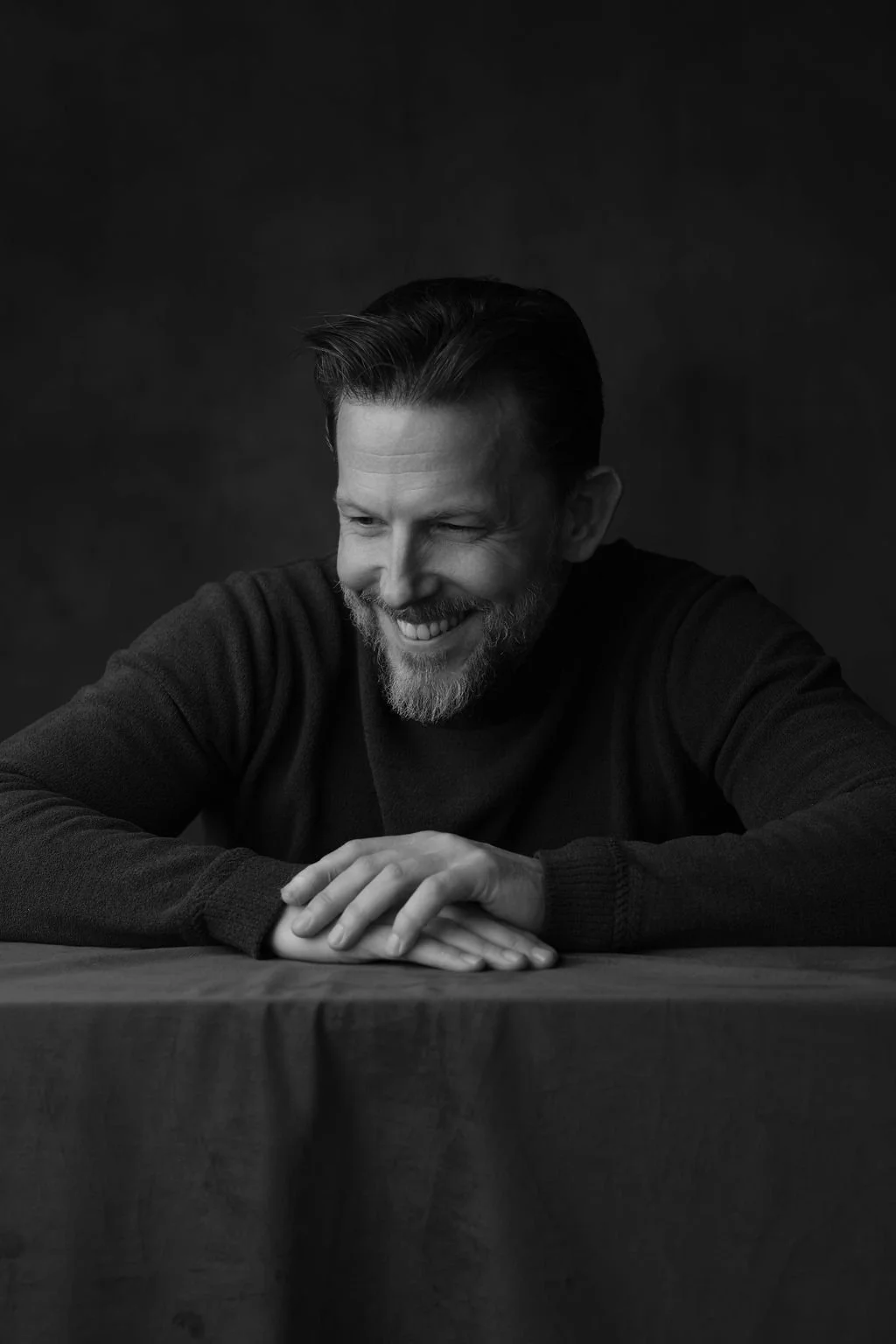
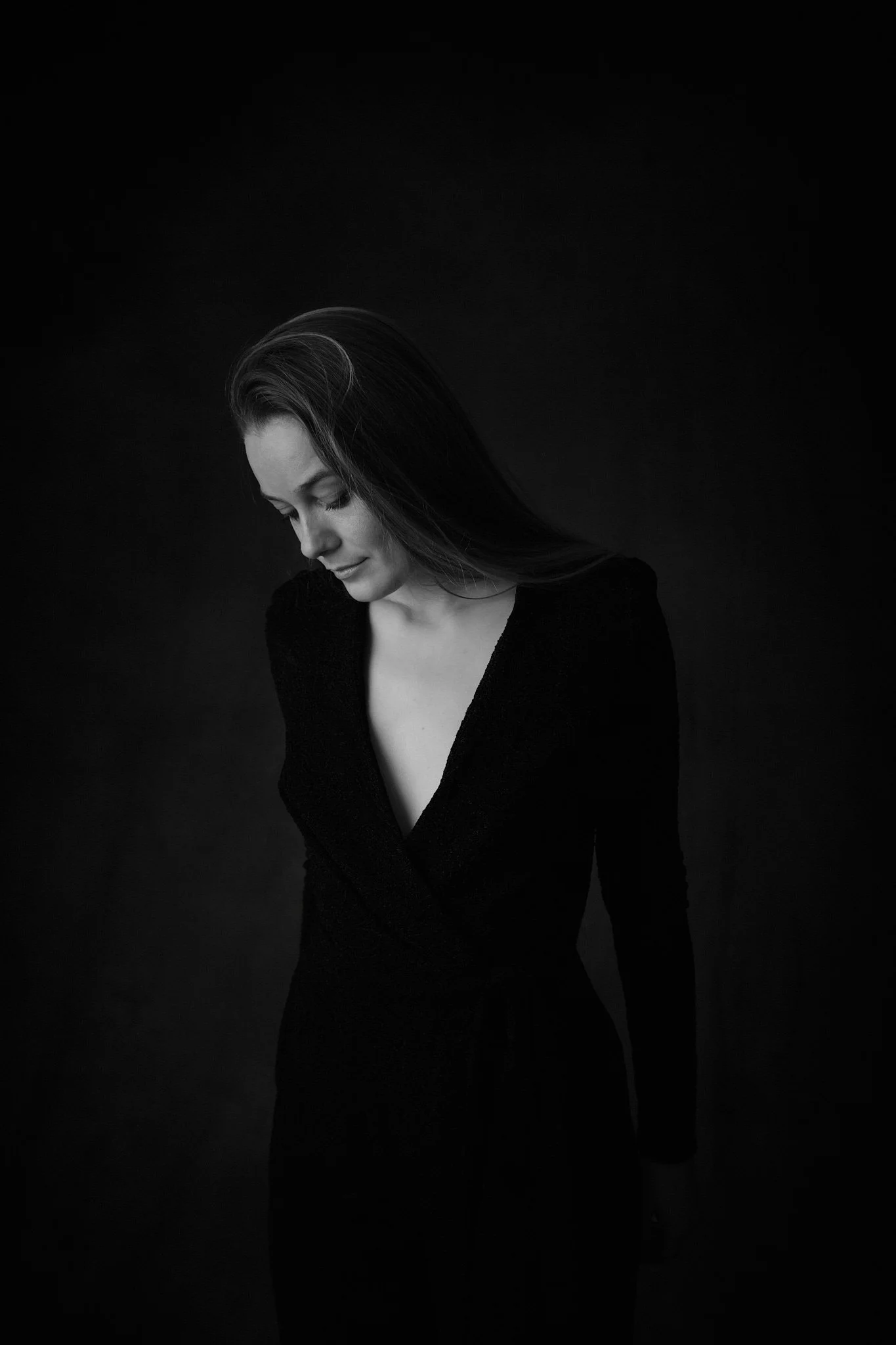
Portrait photography workshop
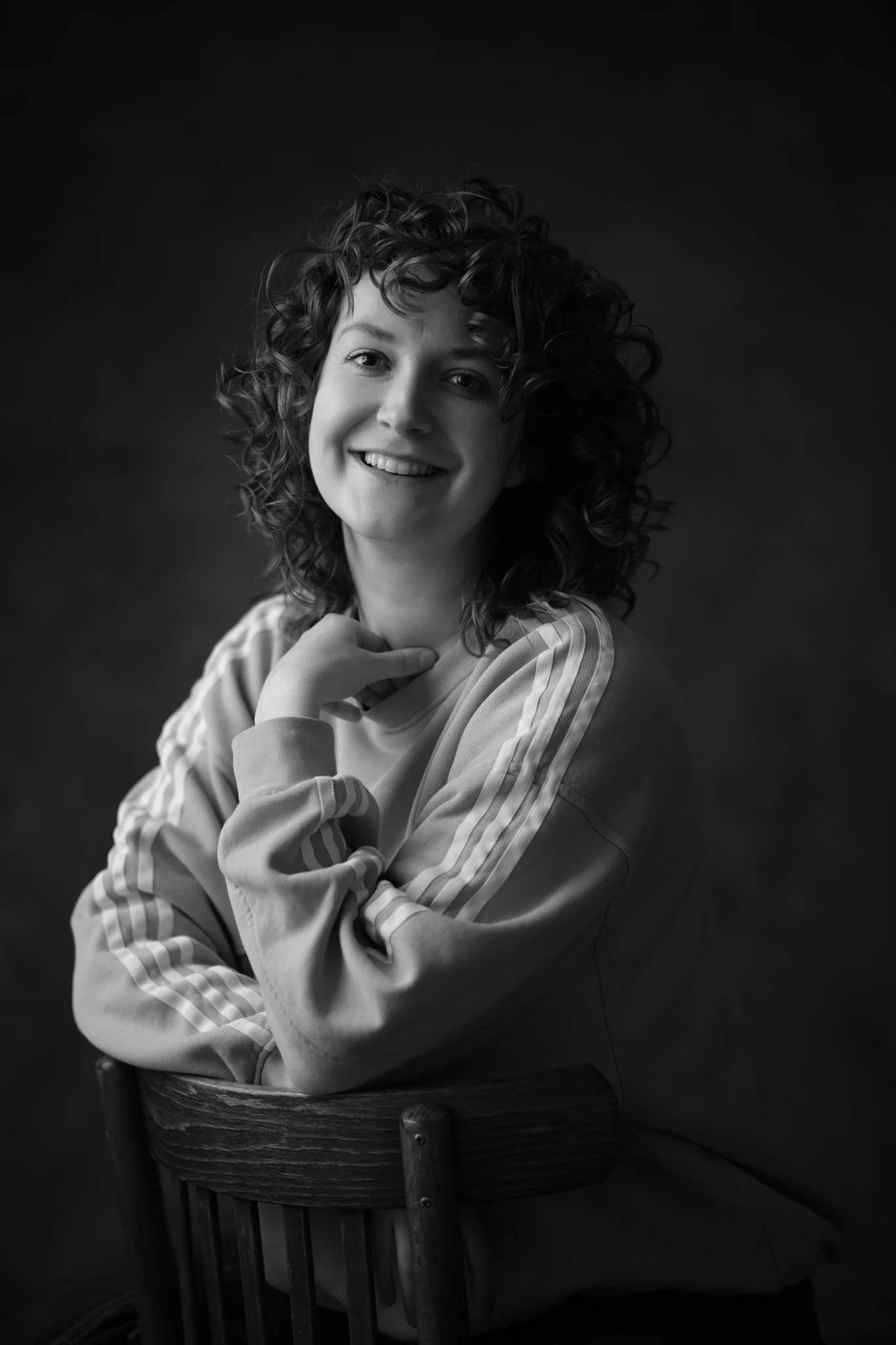
For me, portrait photography isn't just about a trick with a light and a pretty face. It's more like a conversation, but told through pictures. You want to show someone how they truly feel, not just how they look. And that's exactly where the magic of a 1-on-1 workshop lies: all the attention is on your questions, your taste, and your pace. We make it practical. We make it achievable.
We'll start however you prefer.
Sometimes you bring your own model, maybe someone you already have an idea for or someone you trust. Other times, I can arrange a model for you, so you can totally focus on lighting, directing, and composing your shots. Either way works! The cool thing about a 1-on-1 session is that we don't have to compromise. We'll just pick whatever works best for what you want to learn.
Then, we kick things off with a blank canvas or a Pinterest board. A blank canvas is awesome if you're feeling like, 'I want something new, but I'm not quite sure what yet.' In that case, we'll build the idea together, step by step, based on your taste and what's in your head but you can't quite put your finger on yet. If you've already got some references, a Pinterest board is perfect. Then we'll figure out: what exactly draws you to it? Is it the contrast? The shadows? The softness? The pose? The distance to your subject? We'll break it all down until it makes perfect sense.
We analyze light
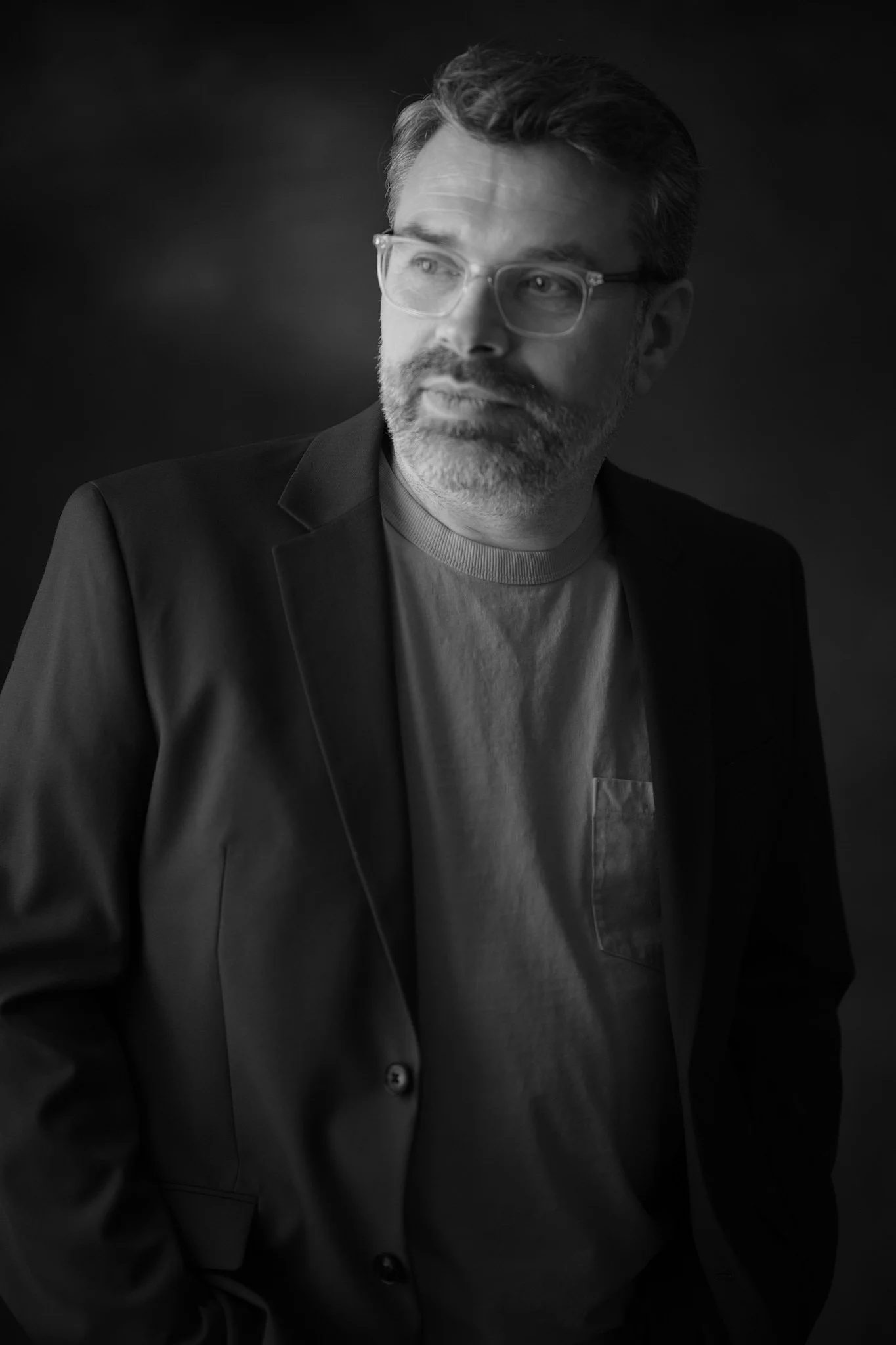
Next up, we'll really dig into light. We're talking precise, not vague! We'll figure out where it's coming from, how big the light source is, whether it's harsh or soft, and what it does to skin, eyes, and texture. We'll check out catchlights, shadow edges, and how the main light and fill light work together. And we'll make sure to name everything you're seeing, so you can easily spot it yourself later in photos that inspire you.
After that, we'll set it all up. We'll grab the light shapers we have, check out the possibilities in my studio, and turn that analysis into a setup that really works. Sometimes, that's just one light and a reflector. Other times, it might be an extra accent or a background light. But there's always a good reason for it. You won't just learn *what* to do, you'll mainly learn *why*.
A few thoughts on portrait photography
The result is you won't be relying on luck anymore. You'll learn to think about what you want to create and how to get there. You'll leave my studio with a clearer sense of style, more control over lighting, and a solid plan for your next portraits. It's not about working harder, but smarter. That's the real win!